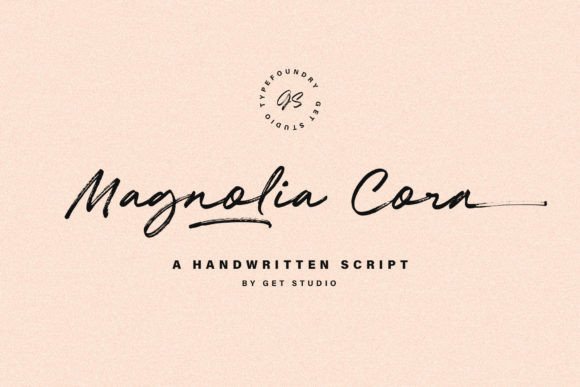
Magnolia Cora: A Handwritten Font with Real Brush Texture
There's a certain magic in a design that feels handcrafted, a warmth that instantly connects with an audience. Finding a typeface that captures that authentic, custom-made energy can transform a project from generic to genuinely memorable. This is where a premium font like Magnolia Cora enters the picture, offering a unique blend of casual flow and strong character for designers seeking a personal touch.
Crafted with real brush textures, this handwritten font provides an organic, textured appearance that feels both dynamic and grounded. It’s not just another script font; it’s a design asset built to infuse projects with personality and authenticity. Whether you're developing a new brand identity or creating eye-catching social media graphics, its versatile nature makes it a valuable tool in any creative's toolkit.
Where This Creative Font Truly Shines
The true strength of a typeface lies in its application. Magnolia Cora is designed to excel across a wide range of visual projects, helping you achieve a polished and professional result. Its strong character ensures readability and impact, even at larger display sizes. Consider using it for:
- Logo Design & Branding: Create a distinctive wordmark or complement a brand mark with a font that feels approachable and unique. It’s perfect for businesses wanting to convey creativity, craftsmanship, or a friendly vibe.
- Invitations & Stationery: From wedding invitations to event flyers, its handwritten style adds an elegant, personal touch that formal serif fonts often lack.
- Packaging & Merchandise: On product labels, t-shirts, or tote bags, the font’s texture adds a tactile quality that enhances perceived value.
- Digital Content: Elevate your social media templates, blog headers, or website hero sections with headlines that stand out and engage viewers.
Practical Tips for Using a Display Font Effectively
Integrating a new typeface into your workflow requires a thoughtful approach. To get the most out of a creative font like this, consider these actionable tips for your design projects.
First, always test for readability in context. A beautiful handwritten font must still be legible at the size it will be viewed. Place it in your layout and check it from a typical viewing distance. Second, think about mood matching. The casual, strong character of this font suits specific aesthetics—ensure it aligns with your project's overall tone, whether it's rustic, modern, or playful.
Font pairing is crucial for creating hierarchy and balance. A classic strategy is to combine a decorative display font with a clean sans-serif font for body text. This contrast ensures the headline captures attention while the supporting copy remains easy to read. Finally, review the font’s available styles and the license details to ensure it fits your intended commercial use, whether for client work or personal merchandise.
The right typeface is more than just letters on a page; it's a core component of visual communication that enhances brand recognition and professional presentation. By choosing a thoughtfully designed font, you invest in the consistency and impact of all your future design work. For projects that demand a touch of human artistry and a strong visual presence, exploring a versatile handwritten font is a step worth considering.