InkPen: A Quirky Handwritten Font for Creative Projects
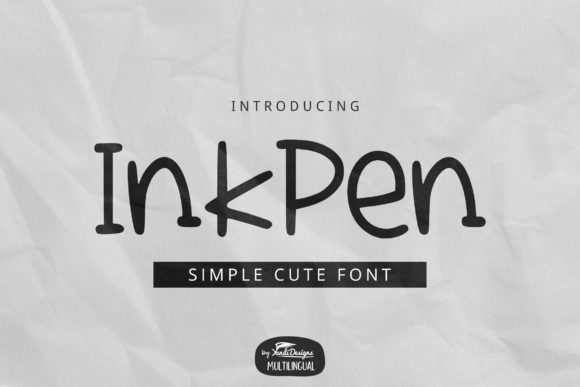
There's an immediate charm to a font that feels like it was written by a friendly hand, and that's exactly the magic InkPen delivers. This playful, handwritten typeface brings a burst of personality and warmth to any design, making it a standout choice for creators looking to add a touch of whimsy and authenticity. Its lovely, childish style is intentionally crafted to evoke joy and approachability, perfect for projects that need to feel personal and engaging rather than corporate and sterile.
Understanding what makes a creative font like InkPen special is key to using it effectively. It's a display font, meaning its strength lies in headlines, logos, and short bursts of text where its unique character can shine. While it's not designed for long body paragraphs, its impact as a visual accent is significant. The right typeface can transform a simple layout into something memorable, and InkPen excels at infusing designs with a handcrafted, approachable vibe that resonates with audiences on an emotional level.
Where InkPen Truly Shines: Practical Use Cases
Think of InkPen as your go-to design asset for projects that need a dose of creativity and fun. Its versatility across different mediums is one of its greatest strengths. Consider using it for:
- Branding and Logo Design: Create a friendly, approachable brand identity for a children's bakery, a creative studio, a tutoring service, or a boutique shop. The font's personality helps build instant connection and recognition.
- Invitations and Greeting Cards: Make party invitations, thank you cards, or holiday greetings feel heartfelt and special with its handwritten charm.
- Packaging and Merchandise: Add a unique, artisanal touch to product labels, stickers, or custom merchandise like tote bags and mugs.
- Social Media Graphics and Poster Design: Craft eye-catching posts, stories, or event posters that stand out in a feed and communicate a lighthearted, modern aesthetic.
- Editorial and Web Design: Use it for chapter titles in a children's book, blog post headers, or website accents to create visual interest and break up monotony.
When incorporating a script font or any handwritten typeface, the goal is to complement your overall design. InkPen pairs beautifully with clean, simple sans serif fonts. For example, use InkPen for a main headline and a neutral sans serif for body text to ensure readability while maintaining visual interest. This font pairing technique creates a balanced, professional look that guides the viewer's eye effectively.
Tips for Choosing and Using Your Font
Before you hit that font download button, a few practical considerations will ensure you get the most out of this premium font. First, always test it in the context of your project. Check the readability of your chosen words at the intended size. Next, ensure the mood of the font aligns with your project's message—InkPen's playful nature is perfect for informal designs but might not suit a formal legal document.
Review the available styles and character sets. A good creative font often includes alternate letters, ligatures, and multiple language support, giving you more design flexibility. Finally, and most importantly, confirm the license. If you're using it for commercial work—like client projects, merchandise for sale, or professional web design—you need to ensure the font's license permits this use. This step is crucial for maintaining a professional workflow and respecting the typeface's creator.
Choosing a well-designed typeface is an investment in your project's visual consistency and brand recognition. A font like InkPen does more than just display words; it communicates a feeling, sets a tone, and helps tell your story. By selecting a font that truly fits the spirit of your work, you elevate the entire design, making it look more polished, intentional, and professionally presented. It's these thoughtful details that transform a good design into a great one.